Staying Safe at the 2026 Milan Cortina Olympics
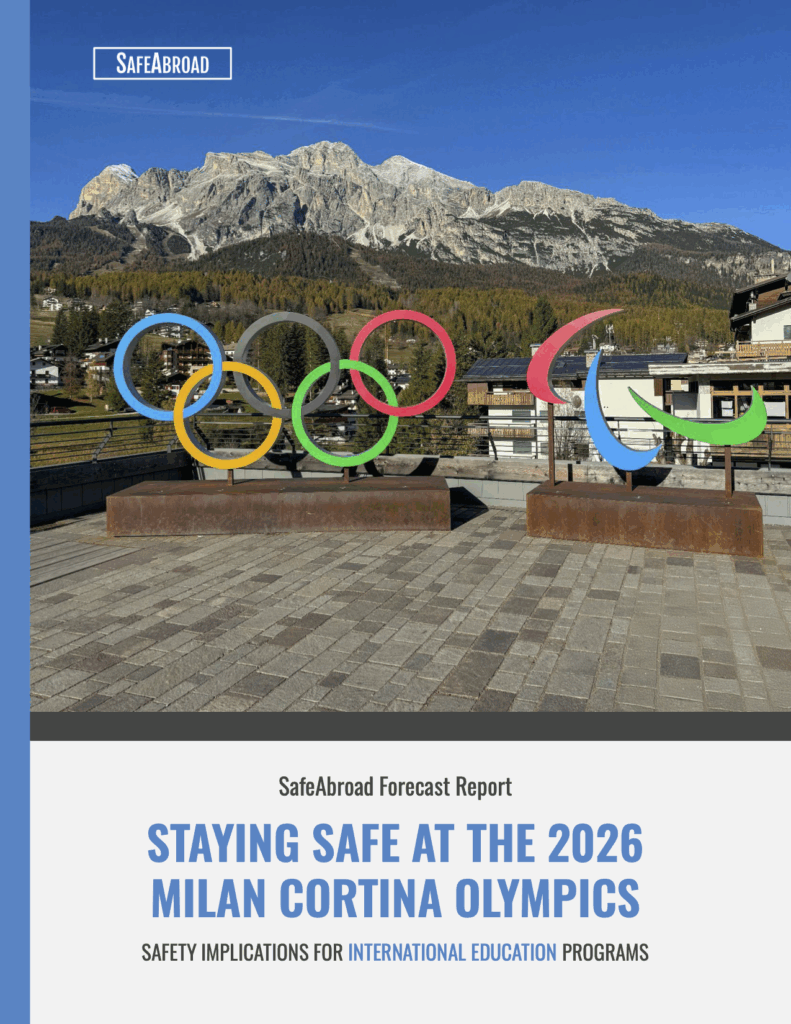
Overview SafeAbroad analysts assess that the 2026 Milan Cortina Olympics presents a low to moderate risk to traveler safety. Many safety precautions have been accounted for by authorities due to …
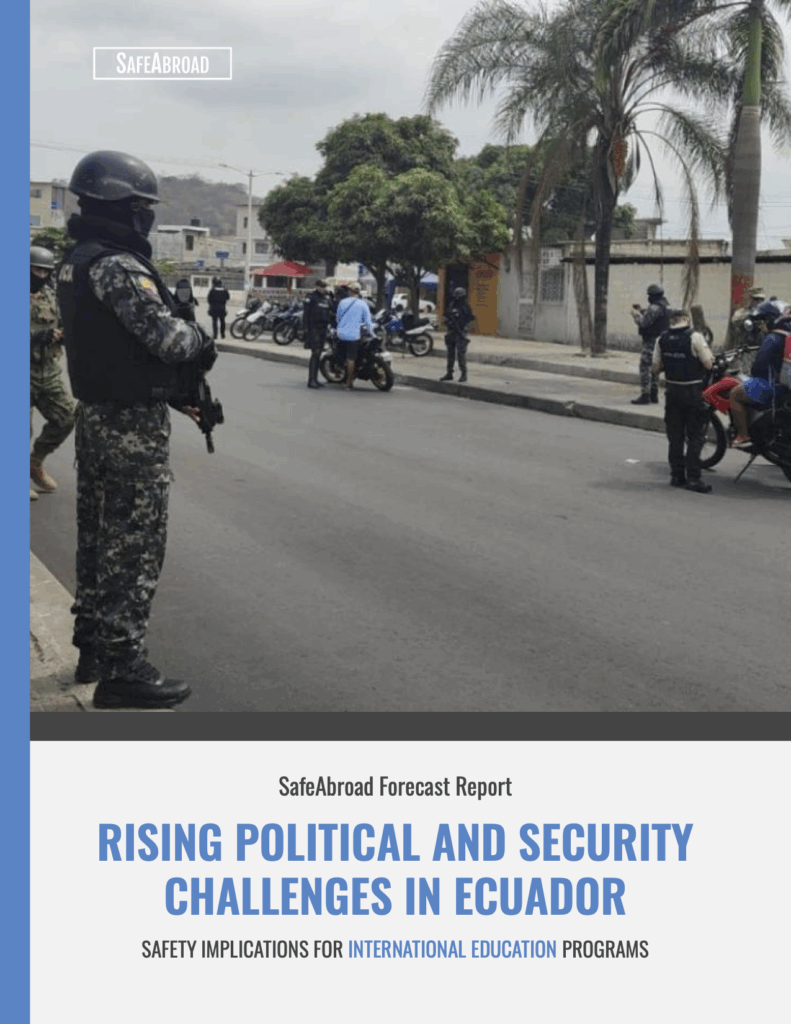
Overview SafeAbroad analysts have assessed that the recent security and political developments in Ecuador pose a moderate risk for travelers. Both of these problems have been assessed separately in terms …
Rising Political and Security Challenges in Ecuador Read More »
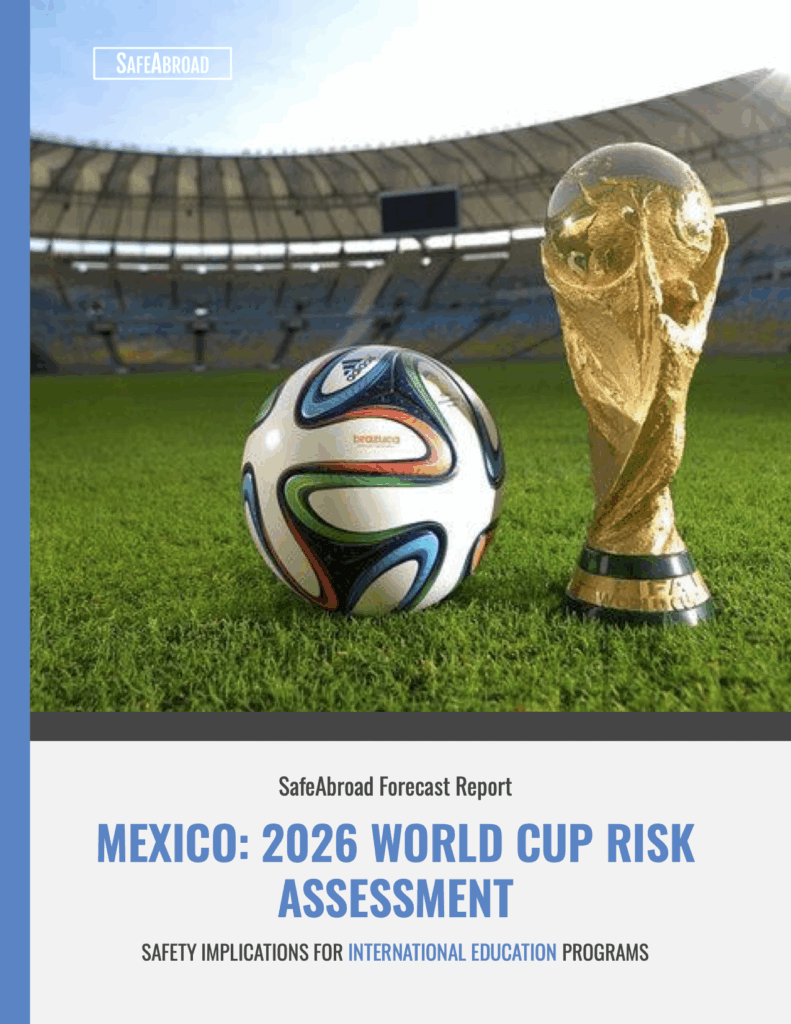
Overview SafeAbroad analysts have assessed the security environment surrounding the 2026 World Cup games in Mexico presents a moderate risk to travelers. This includes general crime and safety issues in …
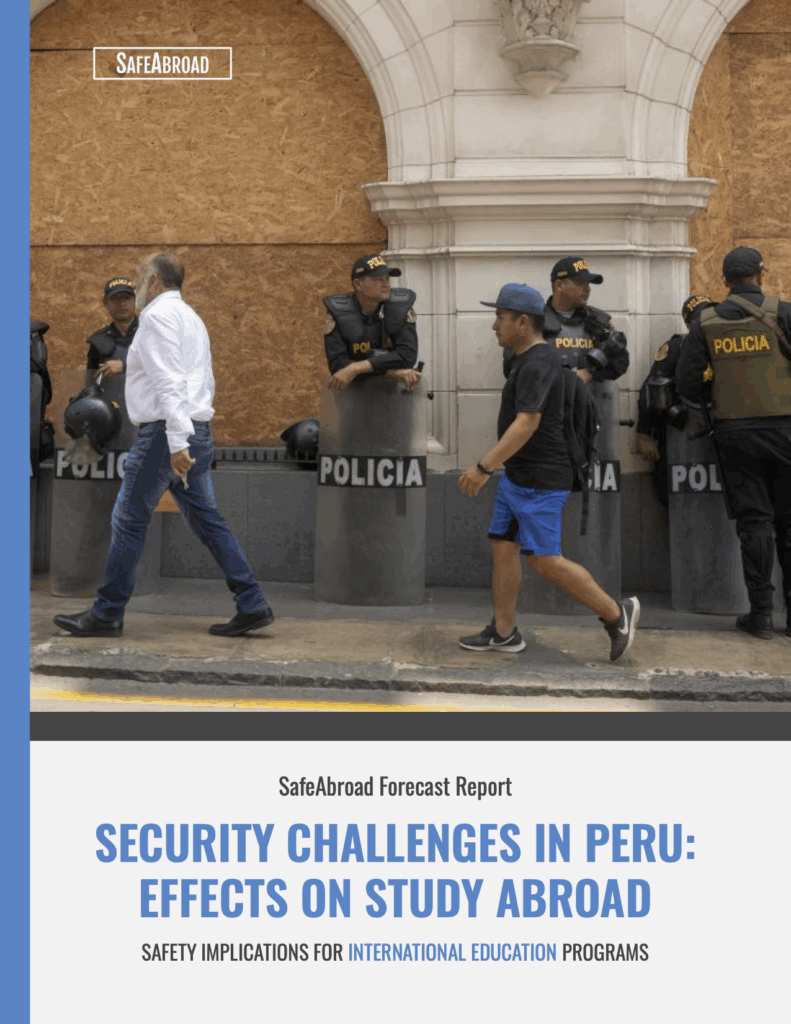
Overview SafeAbroad analysts have assessed the rise in violence, crime, protests, social unrest, and decreased trust in Peru’s government poses a significant risk to travelers. The country’s current security environment …
Security Challenges In Peru: Effects on Study Abroad Read More »
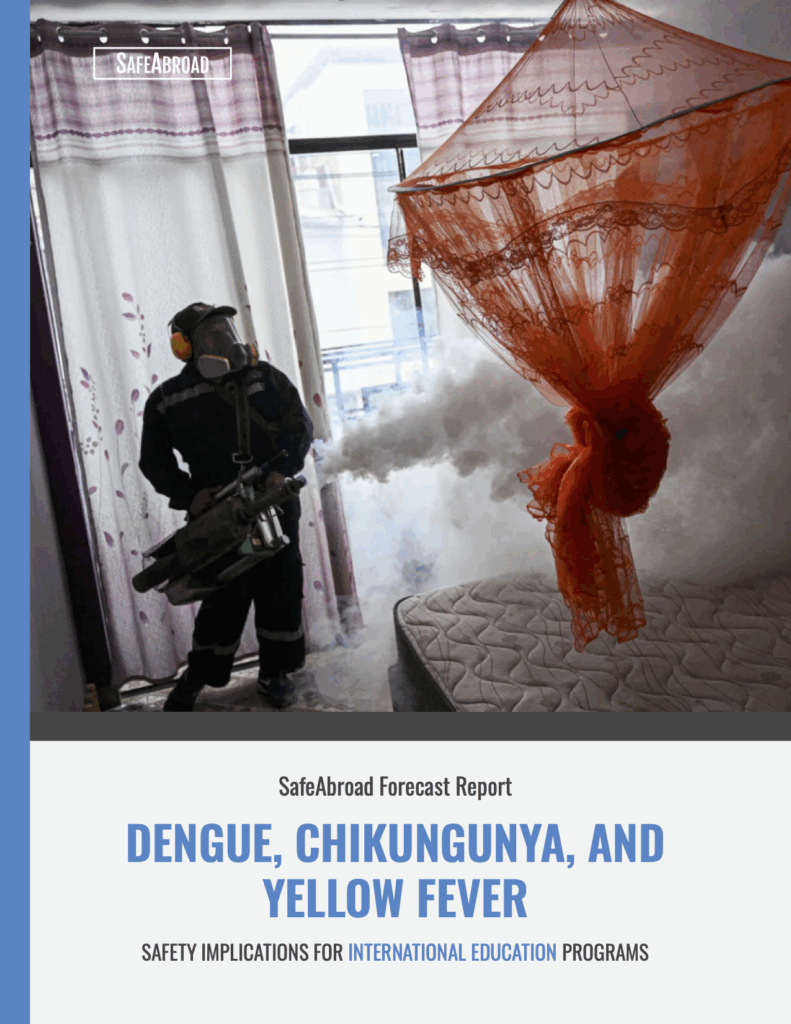
Overview The global spread of insect-borne illnesses poses a risk to all travelers, but particularly to people unfamiliar with or not vaccinated against these viruses.1 Dengue, Chikungunya, and Yellow Fever …
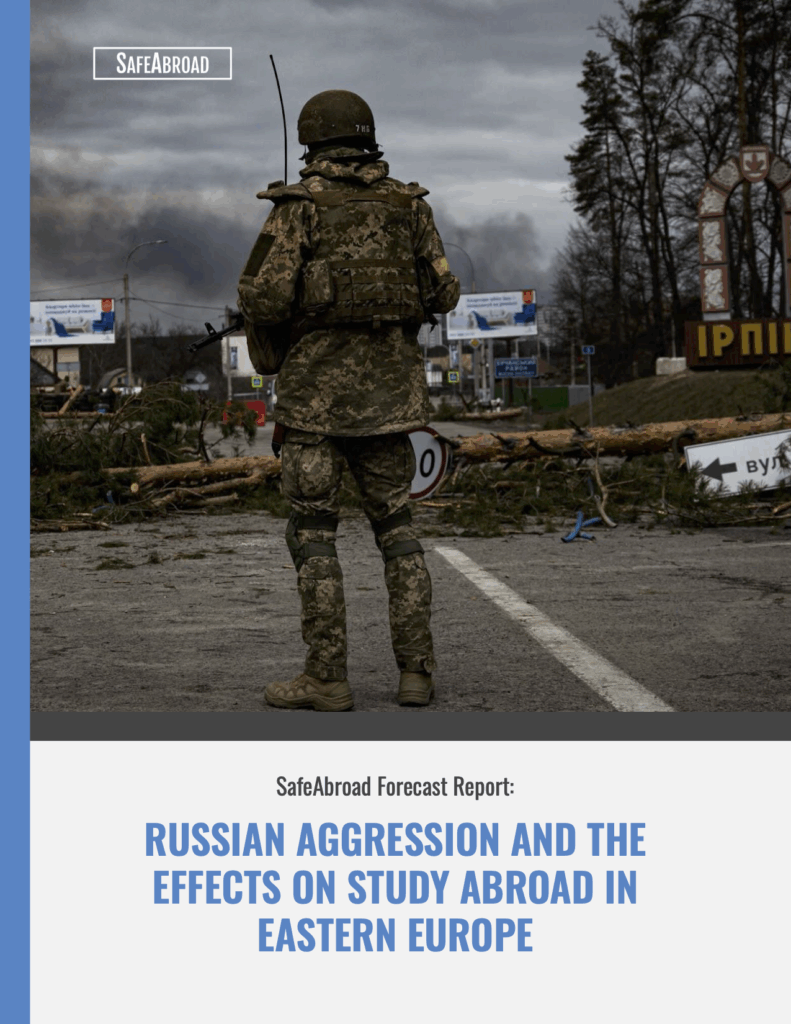
Overview SafeAbroad analysts assess that rising tensions across Eastern Europe, driven by Russia’s invasion of Ukraine, pose a moderate, but growing threat to international students in the region. Countries such …
Russian Aggression and the Effects on Study Abroad in Eastern Europe Read More »
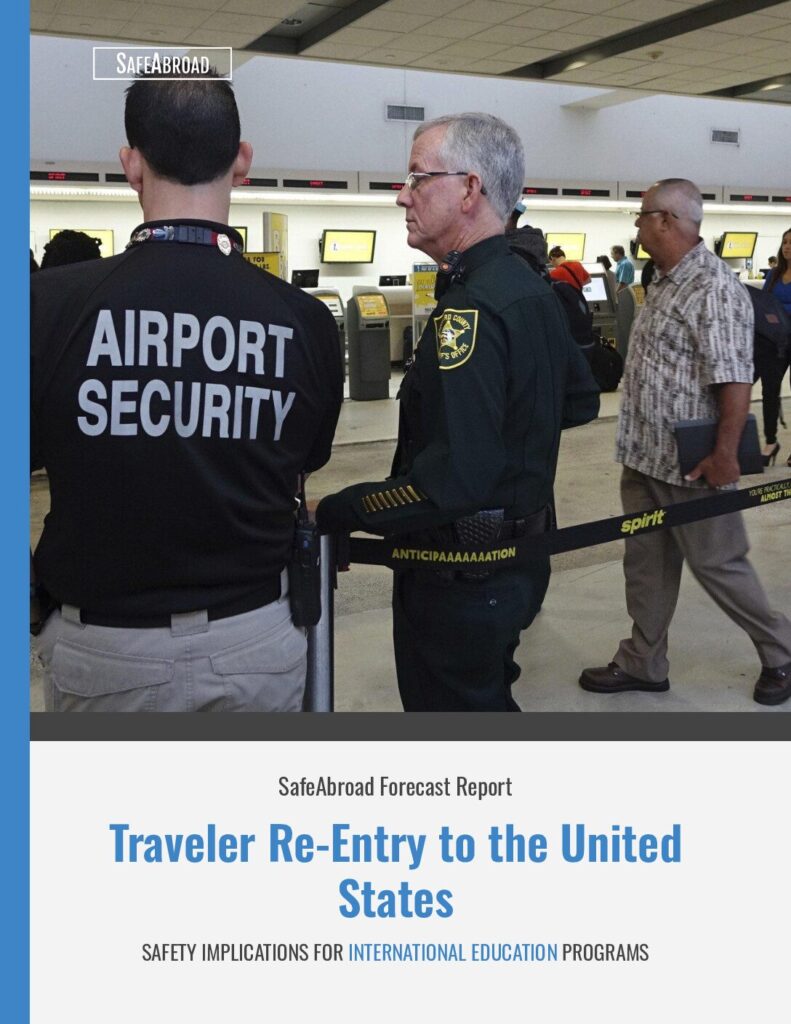
Re-entering the United States after studying abroad is often overlooked but can pose real challenges—particularly for non-citizens. Recent immigration policy shifts have led to increased scrutiny at U.S. borders, where officers are encouraged to conduct more thorough inspections and may deny entry to individuals perceived as holding “hostile attitudes” toward the United States. These perceptions can be based on questioning or, in rare cases, reviews of electronic devices.
In March 2025, Hungary passed a law banning LGBTQ+ demonstrations and legalizing the use of surveillance technology to identify and fine anyone in violation of the ban. This is the latest of several unpopular policies restricting Hungarians’ rights and attempting to eliminate foreign influence. SafeAbroad analysts have assessed Hungary’s LGBTQ+ demonstration ban to pose a low risk to study abroad students at this time, as it primarily targets native Hungarians. However, the growing number and scale of protests in Hungary denouncing Prime Minister Viktor Orbán’s demonstration ban and the legalized use of surveillance for assessing fines and criminal charges will pose moderate risks to travelers attending or in the vicinity of LGBTQ+-related events.
Mass tourism across Spain, particularly in popular destinations such as Barcelona, Palma de Mallorca, and the Canary Islands, has caused increased frustration among locals and a growing anti-tourism protest movement. These demonstrations were common throughout 2024 and are expected to gain momentum through 2025, particularly during the summer months. The Spanish government has implemented several political and economic measures to curtail overcrowding and address local concerns. Although Spain remains a safe travel destination, travelers should be vigilant of planned protests and exercise increased caution to avoid disruptions.
South Korea is navigating a period of significant political turbulence following the impeachment of President Yoon Suk-yeol. The upcoming presidential election on June 3, 2025, has intensified political polarization and public unrest. Despite these challenges, South Korea remains a relatively low-risk destination for international education programs, though students should exercise caution leading up to and in the aftermath of the presidential election.